On the fifth day of our Leh trip, following our return from Nubra Valley on the third and fourth days, we set out to visit another of Leh’s landmarks and complete our journey on the final day: Pangong Lake. This breathtaking destination is located about four and a half hours from Leh city by car. In preparation for the longer journey ahead, Yanjour picked us up at 7 AM, earlier than on previous days.
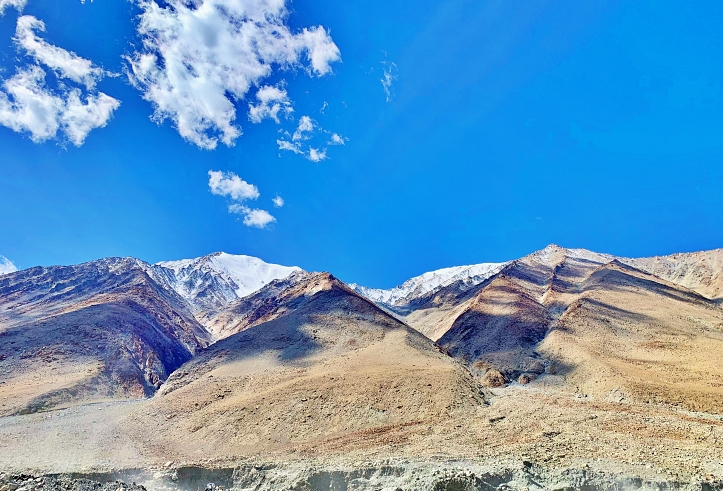
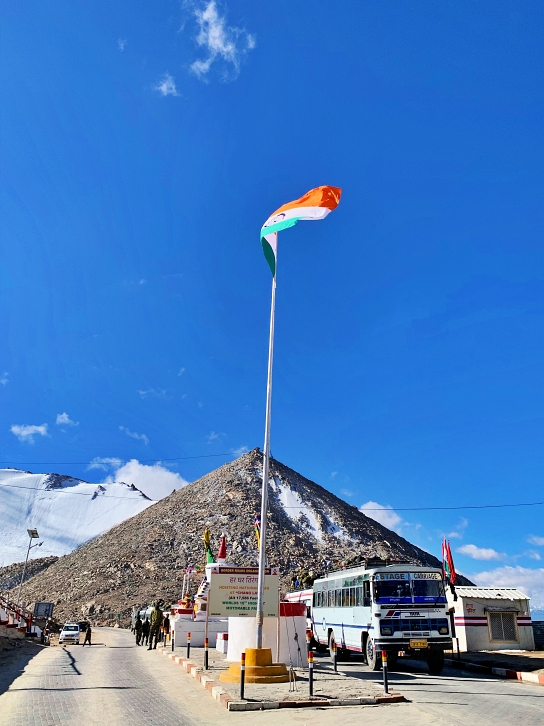
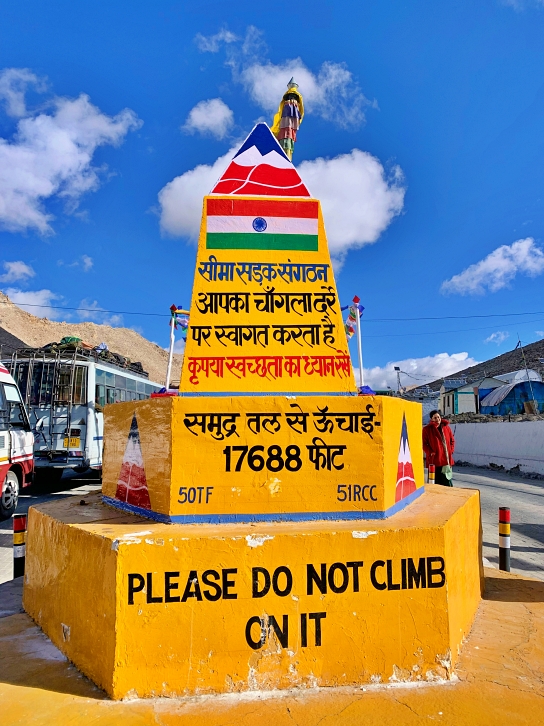
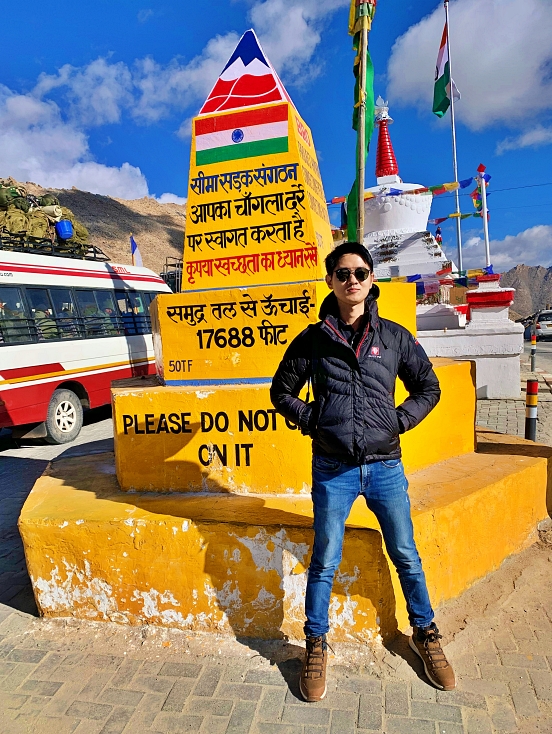
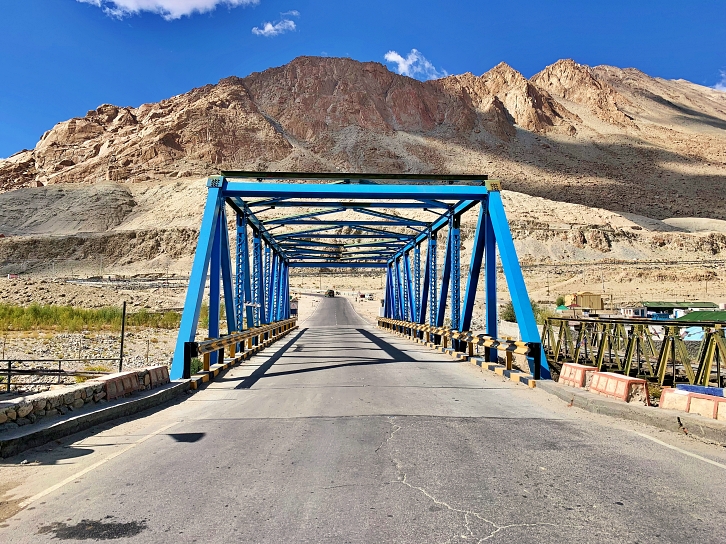
En route, we had to navigate through winding roads and cross over the mountains via the picturesque Pangong Lake Road. Around 9 AM, we reached Chang La Pass, the highest point of this route, standing at 5,400 meters above sea level. We spent 15 minutes here capturing chic and cool photos on the world’s third-highest motorable road.
.
.
.
.
.
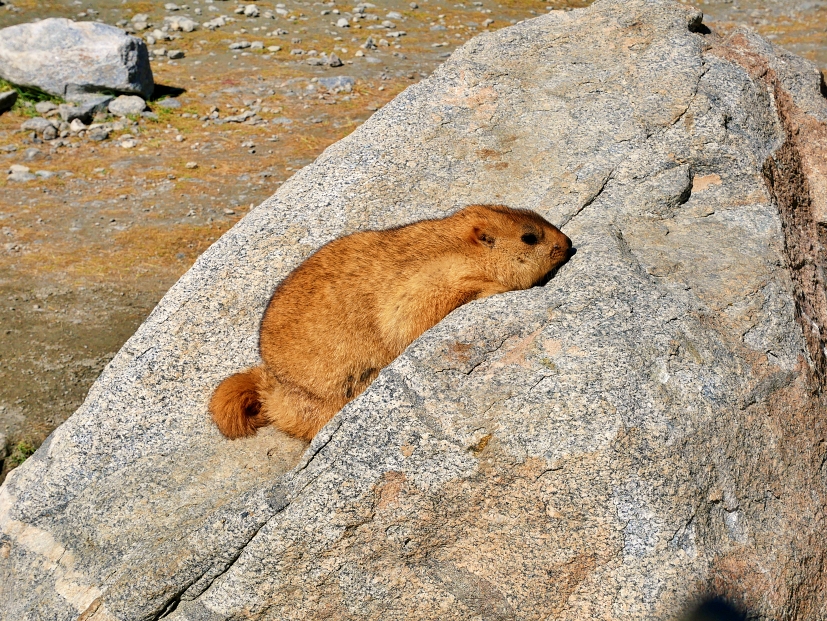
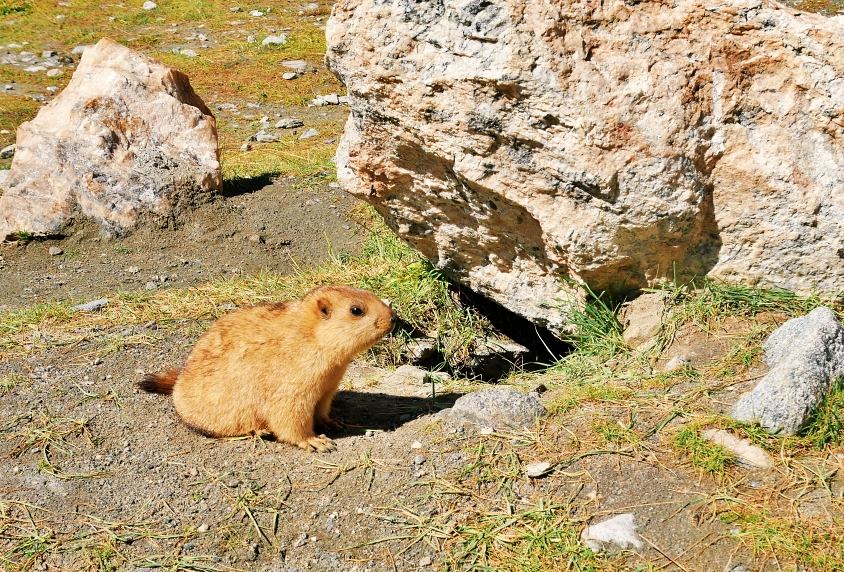
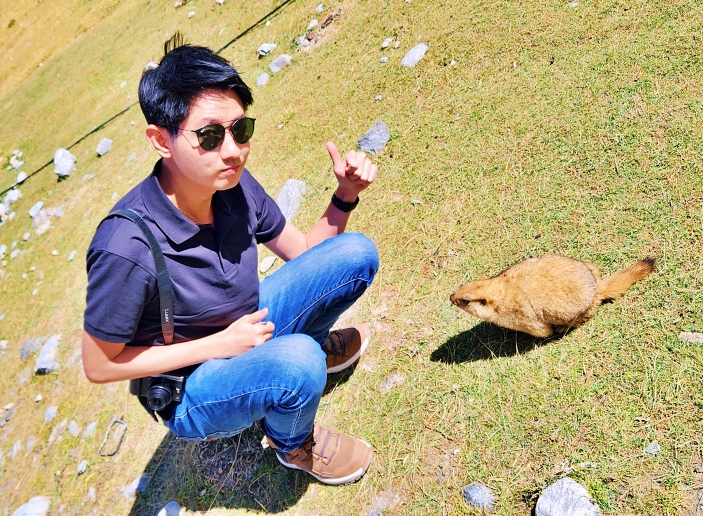
Next, we continued our trip for about 90 minutes and arrived at Tangtse, a place known for its expansive green fields along the banks of a small river. This area is one of the best spots to observe Marmots, the large ground squirrels that inhabit the region. Marmots typically live in underground burrows, and they are quite friendly. We could approach them, sit nearby, and take photos. However, it’s essential not to get too close, as it might startle them and cause them to run away.
.
.
.
We had a delightful encounter with the marmots for about 15 minutes, adding a touch of nature to our journey. Afterward, in roughly 40 minutes, we caught sight of the stunning turquoise lake in the distance. This served as a promising sign that we were approaching our intended destination, Pangong Lake (Pangong Tso).
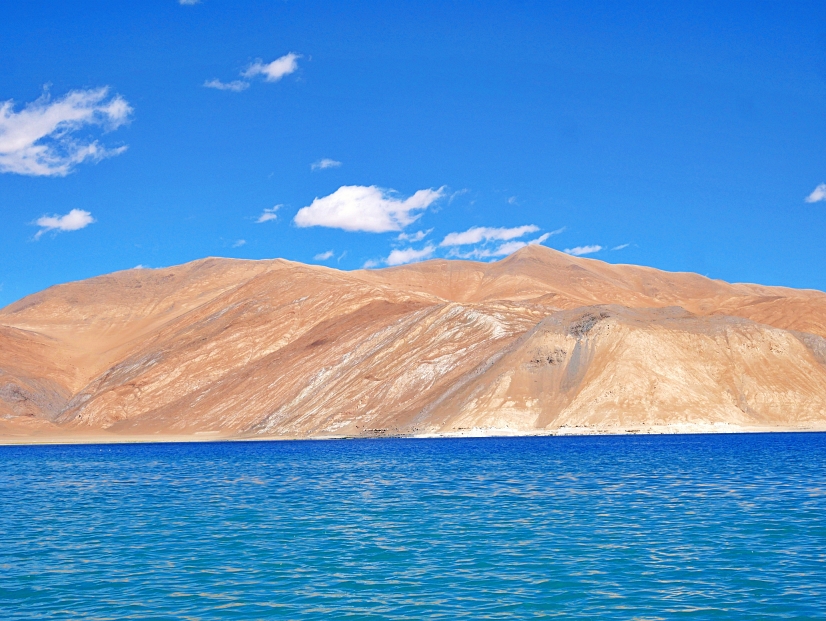
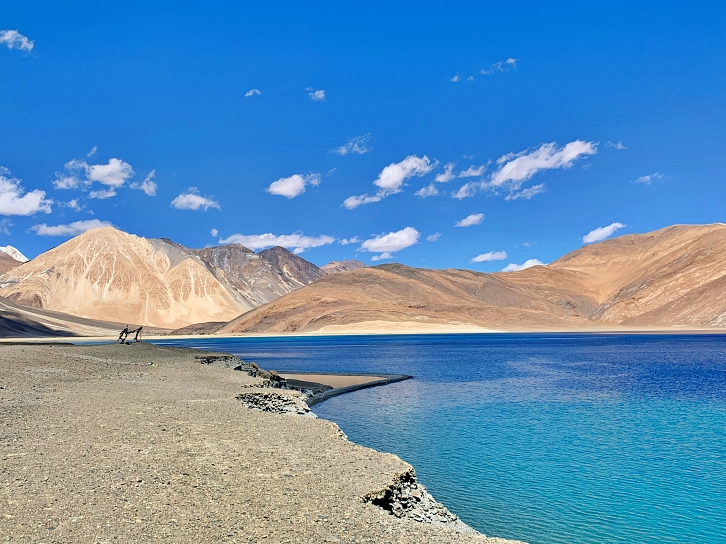
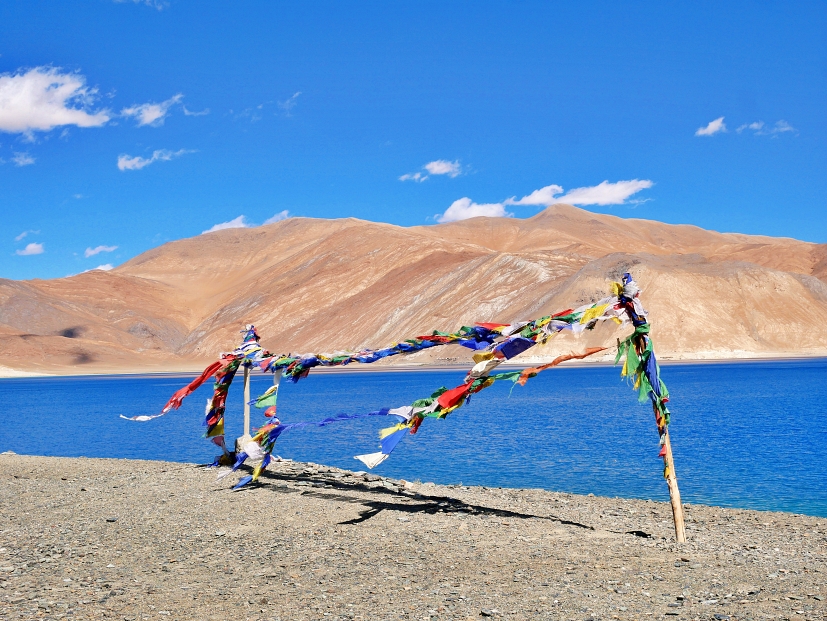
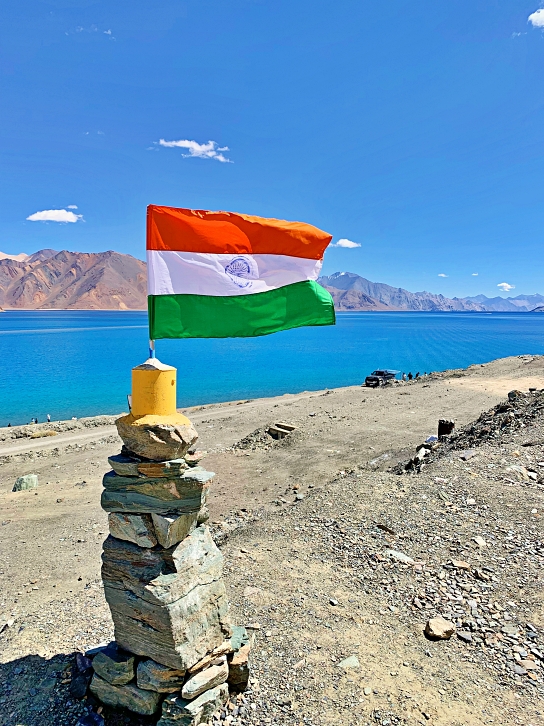
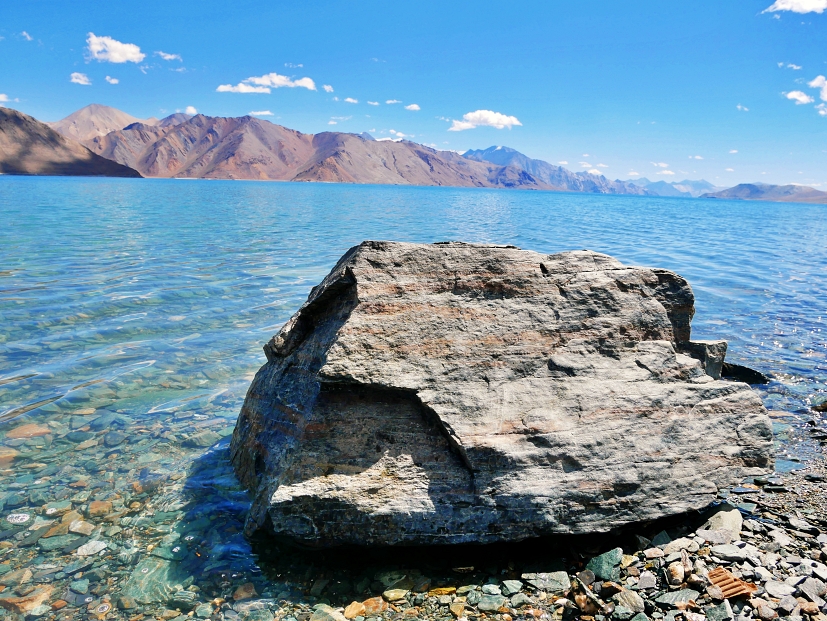
Pangong Lake, situated at an impressive altitude of 4,225 meters above sea level, covers an expansive area of 700 km². The lake straddles the border of two nations, with India holding 25% of its territory and China the remaining 75%. Presently, this lake remains a disputed region between the two nations. Nevertheless, Pangong Lake stands as one of the most awe-inspiring locations we have ever had the privilege to visit. Its crystal-clear blue waters are cradled by three magnificent mountain ranges: the Changchenmo Range, the Karakoram Range, and the Kailash Range, creating a breathtaking scene reminiscent of a heavenly pond on Earth. We could spent couple hours here to take photo from every corner…..Awesome !
.
.
.
.
.

.
We savored our time at Pangong Lake until 12PM when hunger started to kick in. 😅 Fortunately, there were numerous local restaurants in close proximity to the lake. We relished the local Ladakhi vegetarian cuisine, and it complemented the lakeside experience perfectly. Additionally, the paneer, a type of Indian cheese served in local curries, was an absolute delight !
After satisfying our appetites around 1 PM, we commenced our journey back to Leh City. The winding and uneven roads did induce slight car sickness, but it was manageable. Approximately at 4 PM, just 20 kilometers before reaching Leh City, we made a stop at Thiksey Monastery, which marked the final destination of our entire trip.
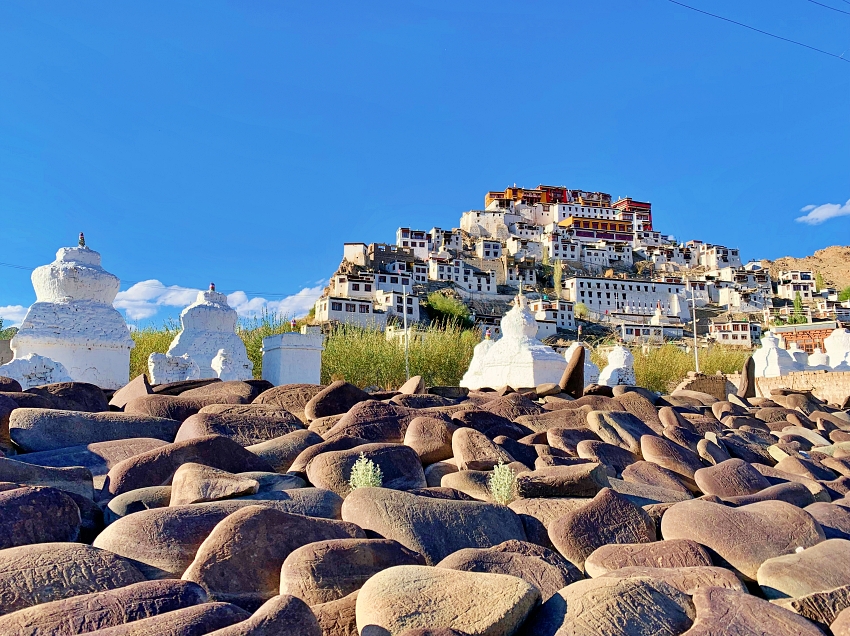
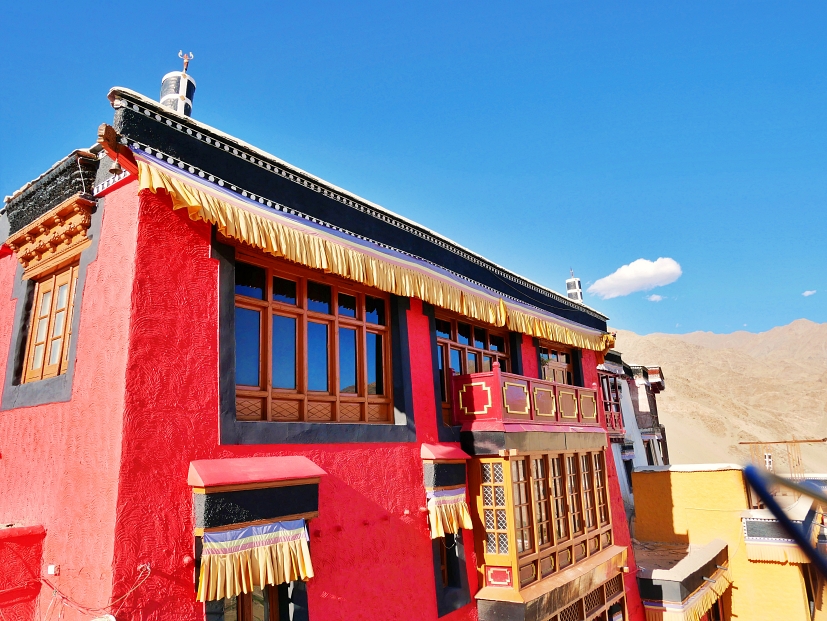
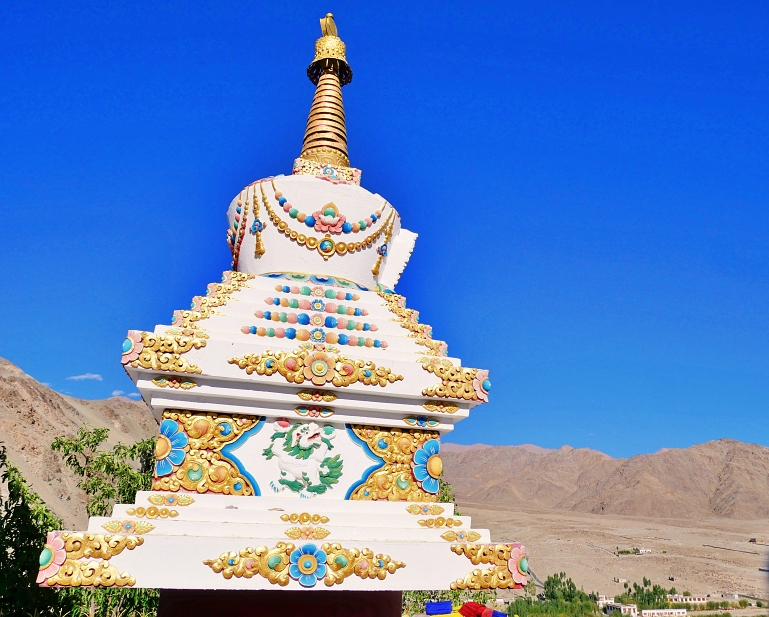
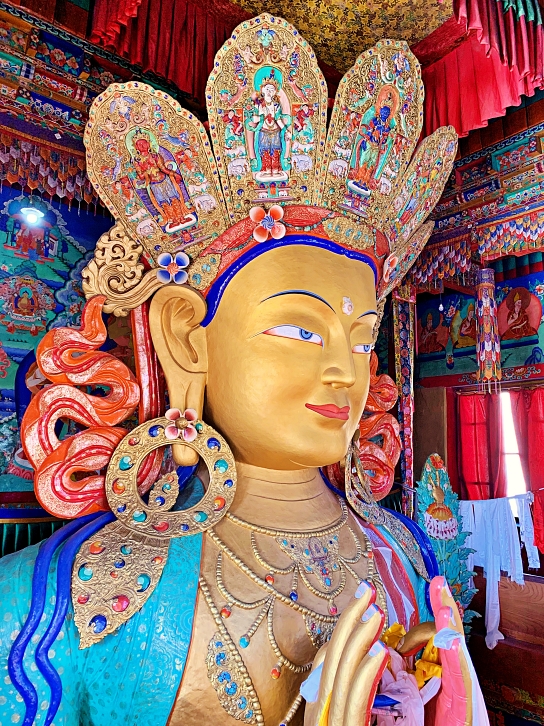
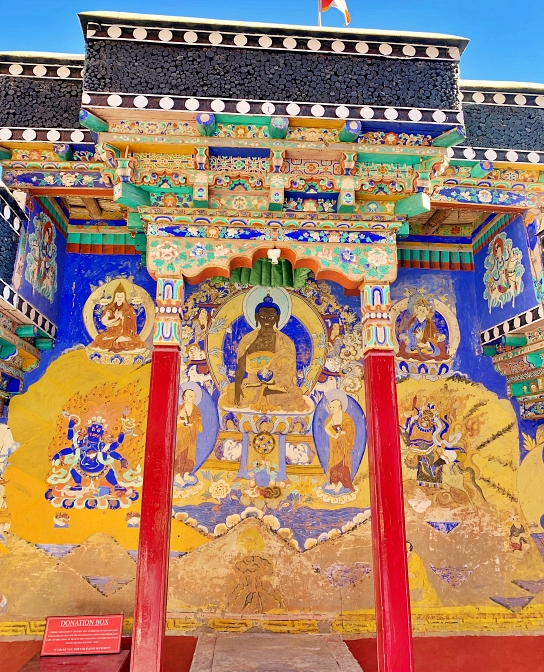
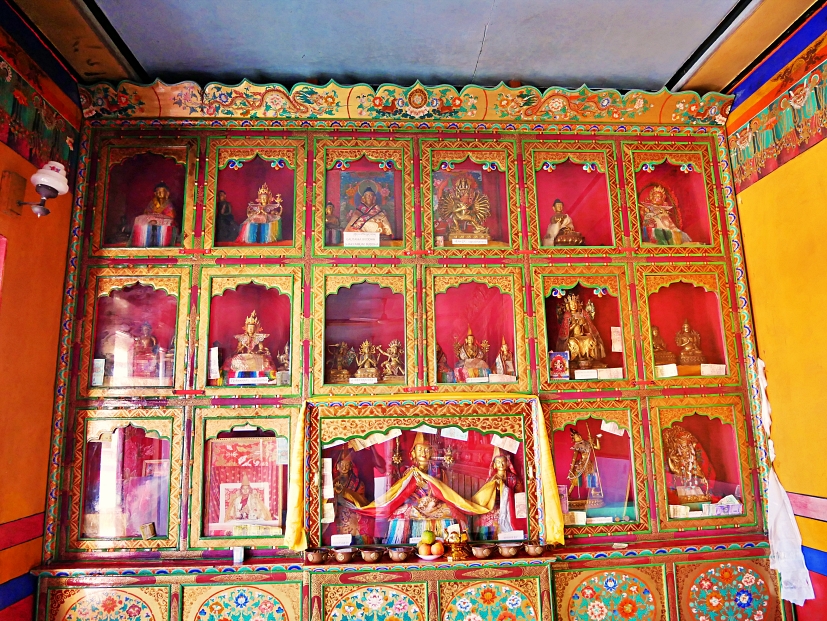
Thiksey Monastery, associated with the Gelug school of Tibetan Buddhism, is majestically perched atop a hill in Thiksey. Situated at an altitude of 3,600 meters, this twelve-storey complex is a treasure trove of Buddhist art, featuring stupas, statues, thangkas, intricate wall paintings, and ceremonial swords. A significant highlight of this sacred site is the awe-inspiring 15-meter-high statue of Maitreya, erected in commemoration of the 14th Dalai Lama’s visit to the monastery in 1970. Thiksey Monastery is open daily between 6AM – 7PM. The admission fee for foreinger was 20 INR/person (0.35 USD).
.
.
.
.
.
.
We enjoyed our leisurely visit to Thiksey Monastery until 5PM before expressing our gratitude and departing for the hotel. We reached the hotel at 5.30 PM. Although our trip had officially come to an end for the day, the thoughtfulness of Jimmy and Yanjour was truly remarkable. They kindly offered to assist us in getting to the airport for our flight back to Delhi the following day. 😎 This thoughtful gesture was just one of the many ways they went above and beyond.
Overall, our 5-day trip to Leh was incredibly unforgettable. We were privileged to witness the region’s unique geography, unlike anything we had experienced before. The rich tapestry of Tibetan culture introduced us to a new world, while the deep faith of the Tibetan Buddhist community inspired our respect for their spirituality. Moreover, the warmth and friendliness of the people of Leh left an indelible mark on our hearts, making us feel that this journey had profoundly enriched our lives. If you are seeking an adventurous and challenging trip filled with unforgettable moments, Leh is the perfect answer. :-)
::::::::::::::::::::::::::::::::::::::::::::::::::
Written by : Shipy Siwarit Tiasuwattiseth
 Shipy-Ship