After we started our first road-trip day to Alchi on yesterday (our 2nd day in Leh/Ladakh), on our third day in Leh/Ladakh, we woke up at 7 AM to refresh and had breakfast before checking out from Hotel Kanika Ladakh. Today, we were excited to explore the enchanting route of Land of Little Tibet, Nubra Valley.
Nubra Valley is a captivating historical region nestled within Ladakh, approximately 125 kilometers away from Leh city. To reach this mesmerizing destination, one embarks on a thrilling 4 to 5-hour journey by car, navigating the curvy and bumpy roads of one of the world’s highest motorable routes. As you traverse these winding paths, you’ll find yourself surrounded by the majestic snowcapped Himalayan ranges, creating a breathtaking backdrop for your adventure. Nubra Valley is a unique gem, nestled between the influences of Tibet and Kashmir, offering a rich blend of cultures and natural wonders.
Our plan was to travel from Leh city to Nubra Valley and stop at three points along the way to immerse ourselves in the charm of nature and culture. These included Khardungla Pass, Samstanling Monastery, and the mesmerizing Sand Dunes. We anticipated arriving in Nubra Valley in the evening, where we had accommodations reserved in Hundar Town for a night. On the fourth day, we looked forward to exploring the beauty of Diskit Monastery before embarking on our return journey to Leh city. 🚙
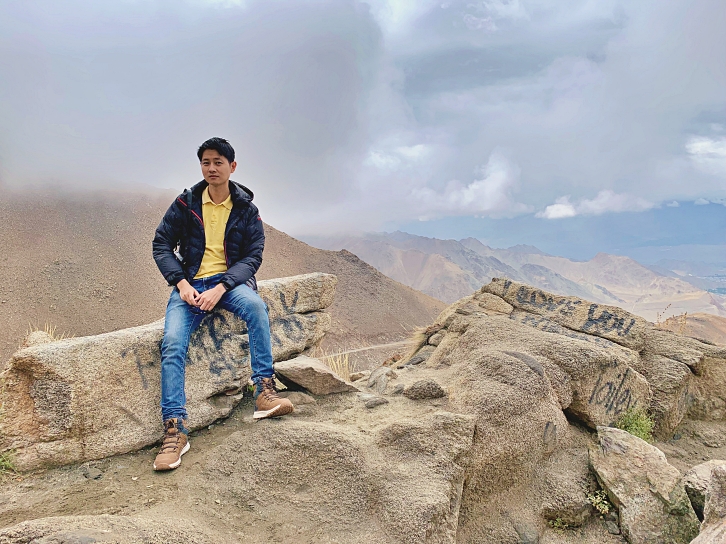
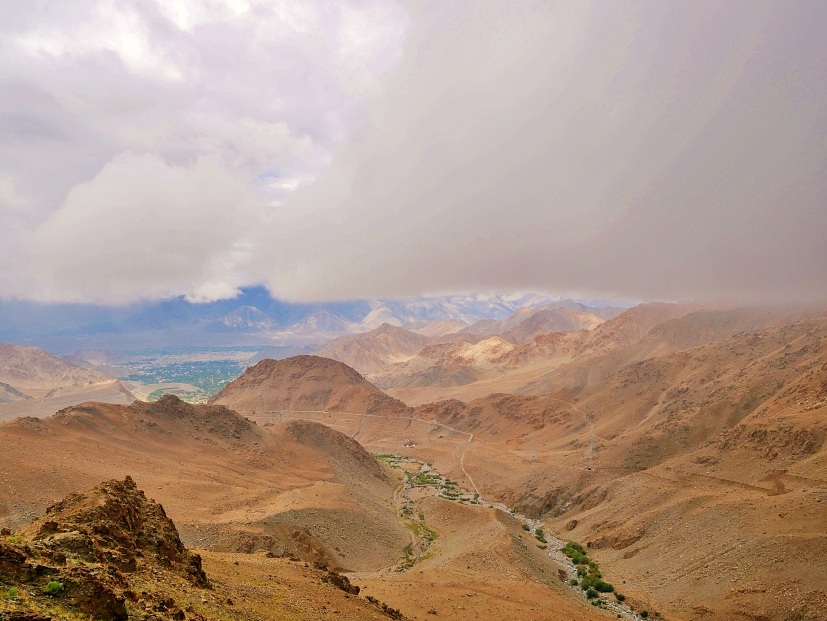
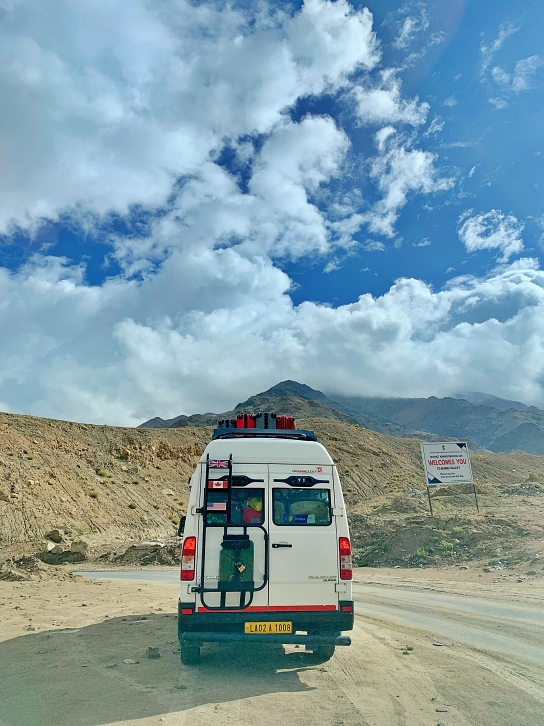
Mr. Yanjour, our driver for the trip, arrived and met us at the hotel at 9AM. We were filled with excitement as we began our journey on what promised to be our highest elevation road trip to date. After about 45 minutes, we reached South Pullu, a village situated at an impressive altitude of 4,650 meters above sea level. While it may be a small village, the breathtaking views from this location left us completely spellbound, making it impossible to resist the allure of the scenery.
.
.
.
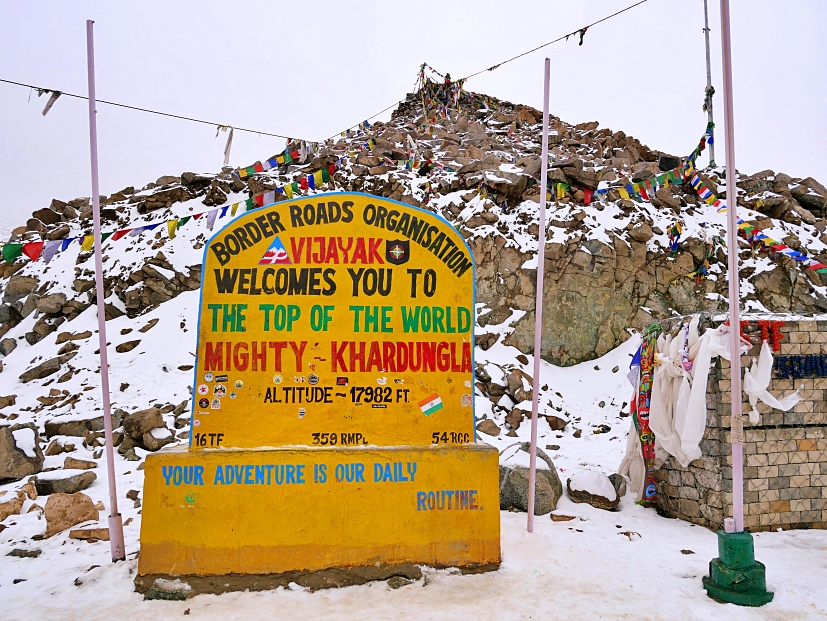
We spent approximately 15 minutes capturing chic photos amidst the misty backdrop at South Pullu View Point before setting our sights on one of the highlights of Ladakh which is 45 minutes away, Khardung La Pass. This pass stands as the highest point along this route, soaring to an impressive elevation of 5,360 meters above sea level.
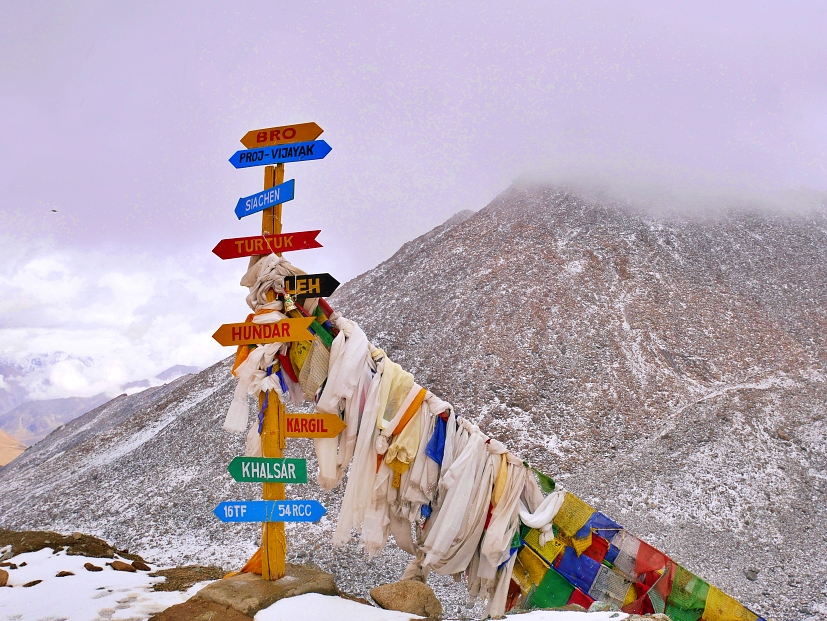
khardung La Pass is indeed a high-altitude mountain pass situated approximately 40 kilometers from Leh, serving as the gateway to the Shyok and Nubra Valleys. Its strategic significance for India is paramount, as it facilitates the transportation of supplies to the Siachen Glacier. Flanked by imposing mountains on both sides, this pass provides visitors with some of the most breathtaking and dramatic views in the region.
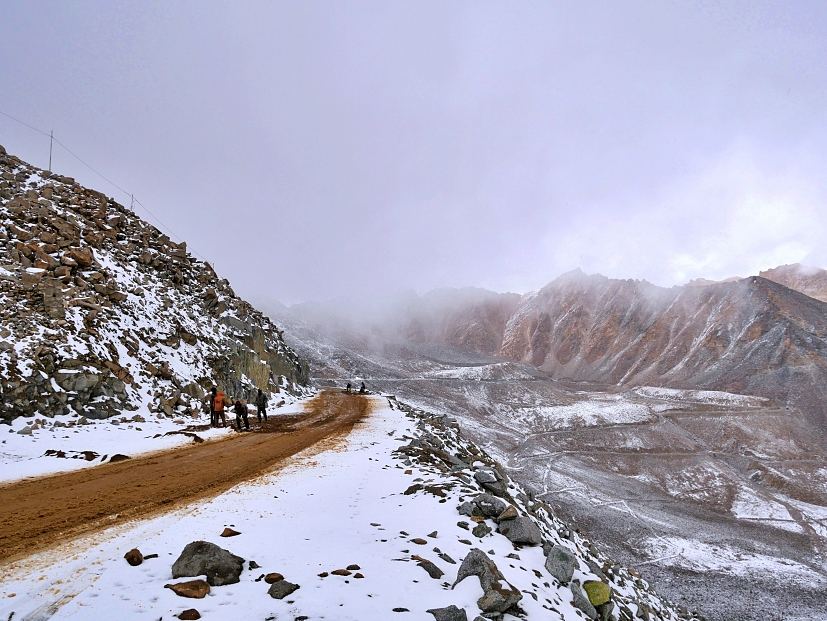
Fortunately, yesterday, as we were returning from our Alchi Road Trip to the hotel in Leh, we experienced a sudden rain shower. The hotel owner and Yanjour, our driver, informed us that if there was rain today, it might result in snowfall at Khardung La Pass the following day. As we reached Khardung La Pass, their prediction had come true – snow was gently falling, creating a magical moment. The white snow against the backdrop of the majestic mountains and the vast sky made it feel as though we were playing on the rooftop of the world !

.
.

.
.
.

.
We spent a delightful 30 minutes at Khardung La Pass, where we were greeted by chilly winds and gentle snowfall. Despite the cold, the experience was incredibly joyful. At around 11 AM, we resumed our journey towards our next destination, Samstanling Monastery, which was about a two-and-a-half-hour drive from Khardung La Pass. Along the way, despite the winding and bumpy roads, the panoramic views of snow-topped mountains made it feel like we had escaped to another world.

.

En route to Samstanling Monastery
.
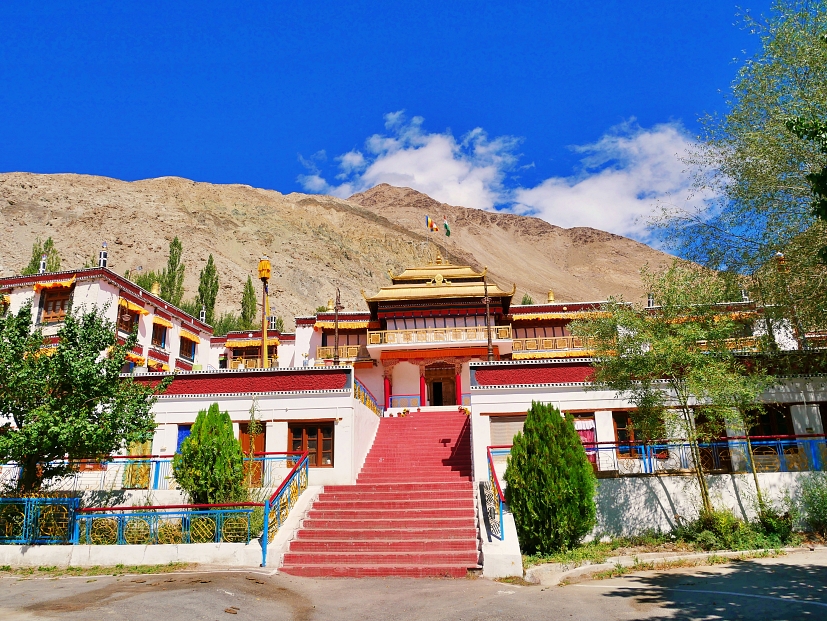
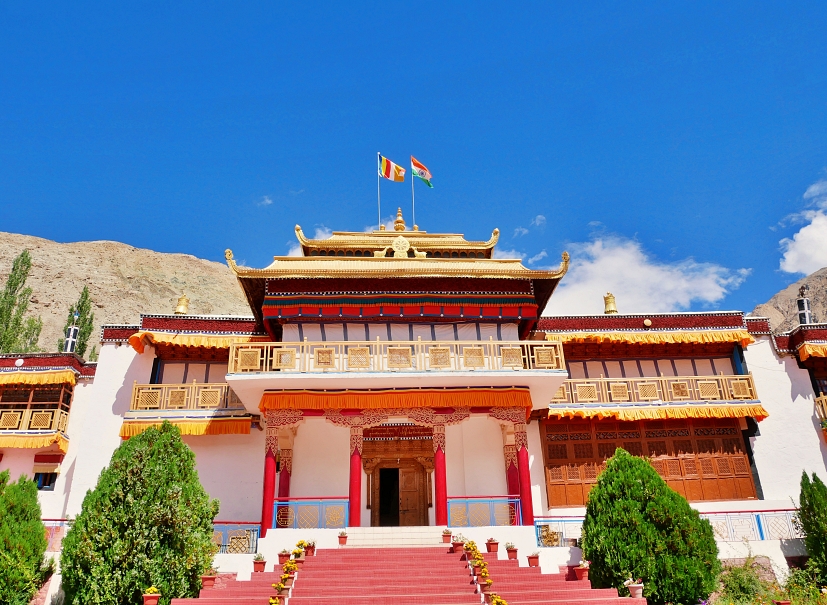
Samstanling Monastery is situated in Sumur Village, approximately 50 kilometers outside Nubra Valley. It was established 182 years ago in 1841 by Lama Tsultim Nima and currently houses more than 50 monks who rely on the monastery for their daily needs. The remote location adds to the monastery’s aura and mystique, making it a truly captivating place. The monastery’s distinctive gold, red, and white hues can be seen from a distance, adding to its visual allure. Samstanling Monastery is open daily from 10 AM to 5 PM, and there is no admission fee to visit.
.
.

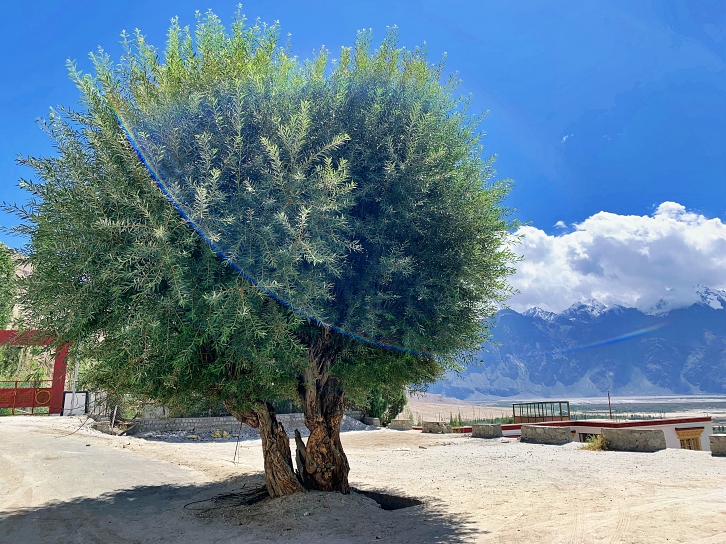
The Apple Tree in Samstanling Monastery
.
.
.
We enjoyed the beauty of Samstanling Monastery until around 2 PM, at which point our stomachs demanded some sustenance, considering it was quite late for lunch. 🤣 Therefore, we bid farewell to the monastery and made our way to Diskit Village to find a restaurant for our meal.
After satisfying ourselves with local fried rice, stir-fried noodles, and vegetarian momos, we decided to visit the Sand Dunes at around 4 PM. This timing is ideal because the location is at its most beautiful in the evening, just before sunset.
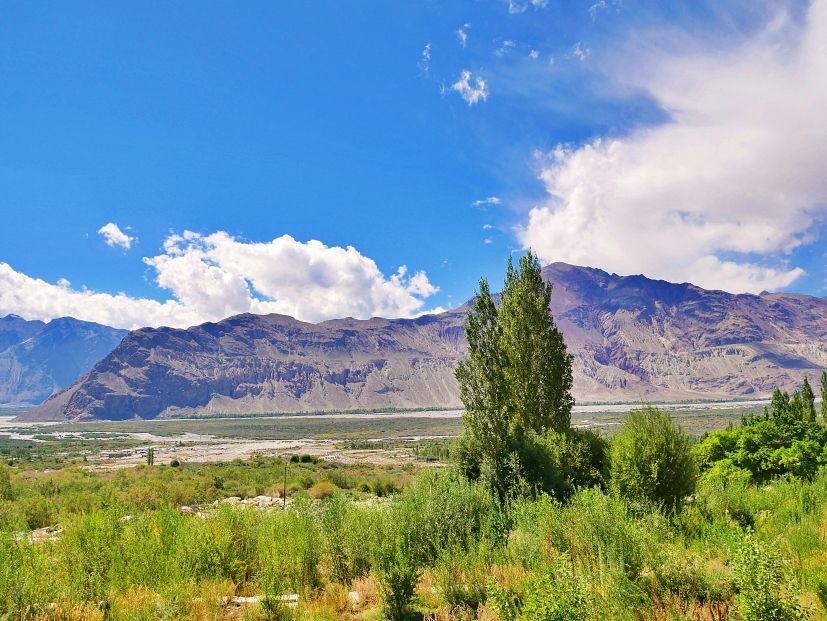
The Sand Dunes is a high-altitude cold desert cut through by a gentle stream, surrounded by vibrant green poplar trees, and set against the backdrop of picturesque, barren mountains. It felt like a unique place where we could witness a desert with snow-capped mountains in the background, a sight we believed to be one-of-a-kind in the world. Furthermore, it resembled both a desert and an oasis in the same location, situated along the banks of the Shyok River. 🏔️
As we recalled from our high school history lessons, millions of years ago, India was not part of the Asian continent. However, over time, India’s landmass collided with Asia, leading to the formation of the Himalayan Mountains due to the tremendous forces involved in this collision. It’s possible that the Sand Dunes area might have resembled beaches before India merged with Asia, which explains why we can find sand at an altitude of over 3,000 meters above sea level. It’s truly an astonishing phenomenon !

.

.

.

.

.
We relished a leisurely stroll and took photographs around the Sand Dunes until sunset. Following that, we made our way to checkin at the Chamber Resort in Hundar Village, which we had pre-booked. We planned to spend the night in Hundar before continuing our exploration of Nubra Valley the next day. This resort-style hotel is nestled amidst towering mountains, and it features a stream that flows through the property, creating a serene atmosphere. Staying there felt like we were immersed in the heart of nature. ⛰️🏞️

.

.
We fell asleep quite early, having expended all our energy throughout the day in traversing the Khardung La Pass, one of the world’s highest motorable roads, and exploring new terrain we had never seen before. It was essential to conserve our energy for the adventures awaiting us on the following day.
🥱……..😴💤😴💤
….
…
..
.
On the fourth day, we woke up at Chamba Resort at 7 AM to freshen up, enjoy breakfast, and check out from the hotel. We had an appointment with Yanjour at 9 AM to depart from Hundar and continue our exploration of Nubra Valley before making our long journey back to Leh city. The first destination of the day was Diskit Buddha Statue which is 30 minutes away from the hotel.
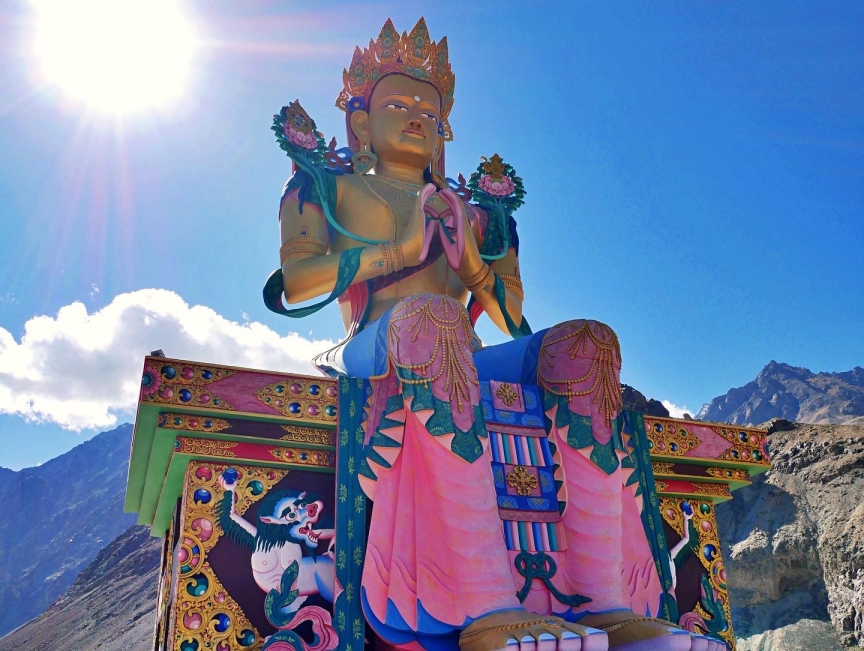
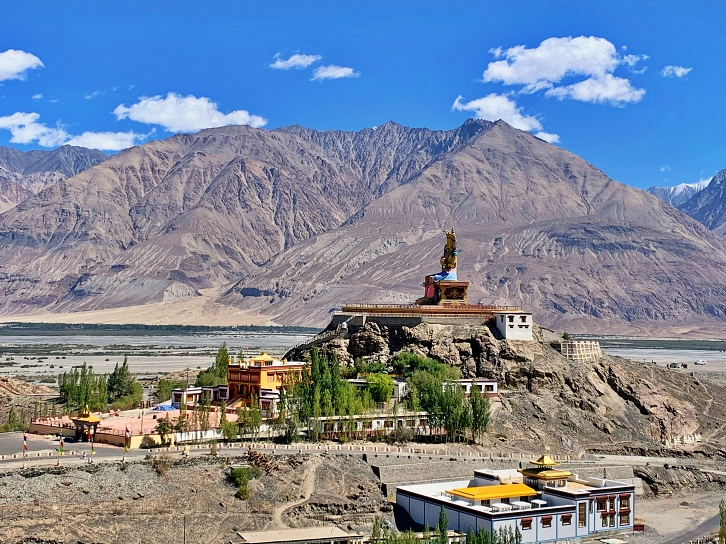
The Diskit Buddha Statue is a 32-meter-tall Maitreya-style Buddha statue, adorned with gold and red features, overlooking the Shyok River. In addition to its aesthetic and spiritual significance, it is thought to represent three key concepts: safeguarding the Diskit Village, advocating world peace, and preventing further conflicts with Pakistan. This Buddha statue stands as a prominent tourist attraction in Nubra Valley.
.
.
.
.
.

.
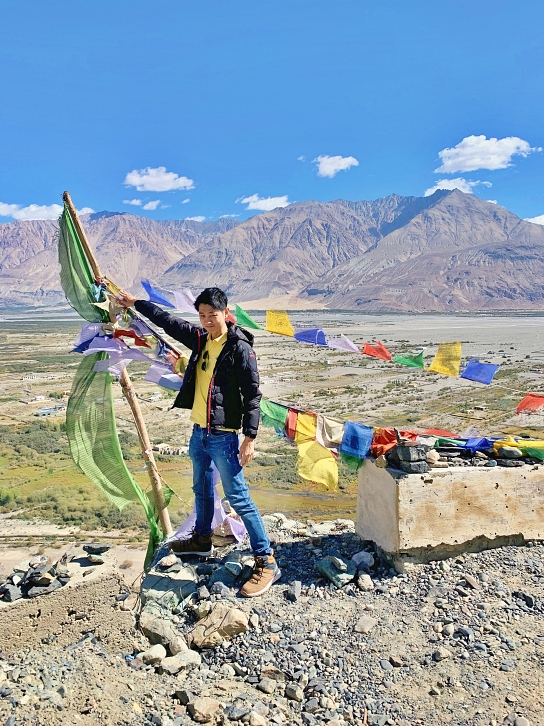
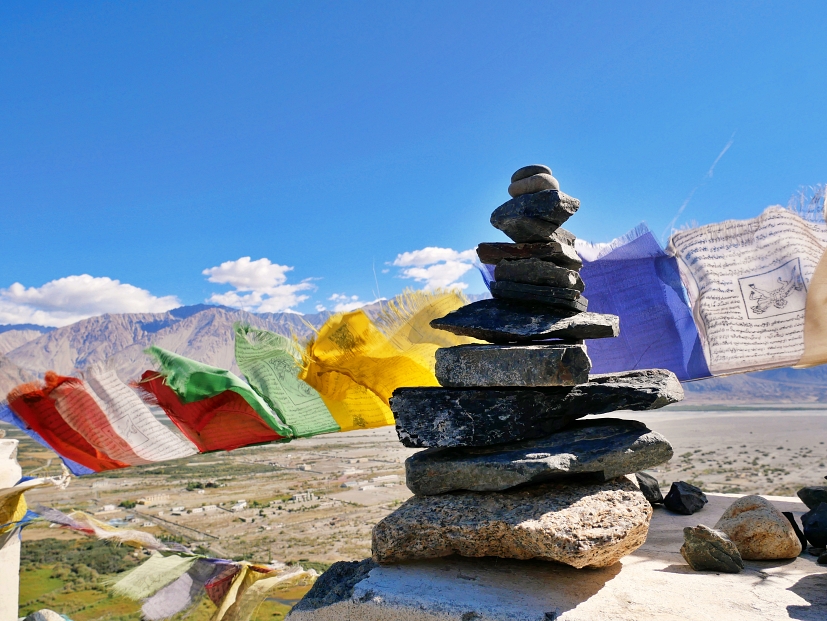
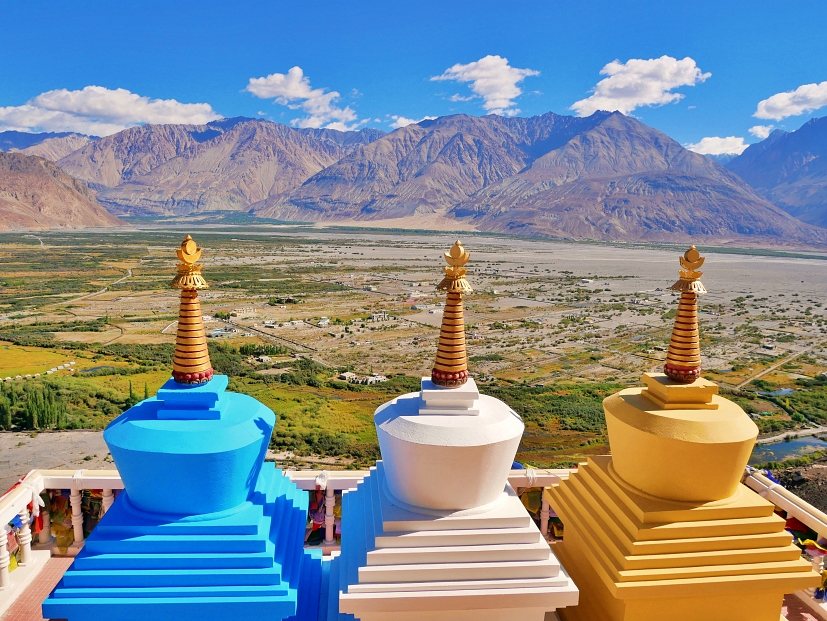
In addition to the imposing Buddha image, at the base of the statue, given its hillside location, we were treated to a panoramic view of Diskit Village, nestled amidst snow-capped mountains and alongside the river, creating a scene straight out of a fairytale. We cherished our time at the Diskit Buddha Statue for about 30 minutes before heading to our next destination, the nearby Diskit Monastery.
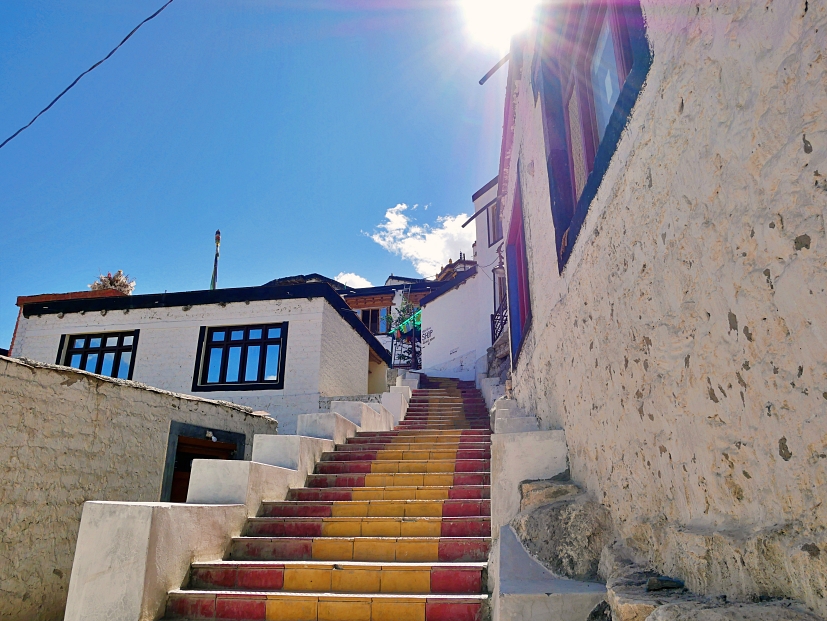
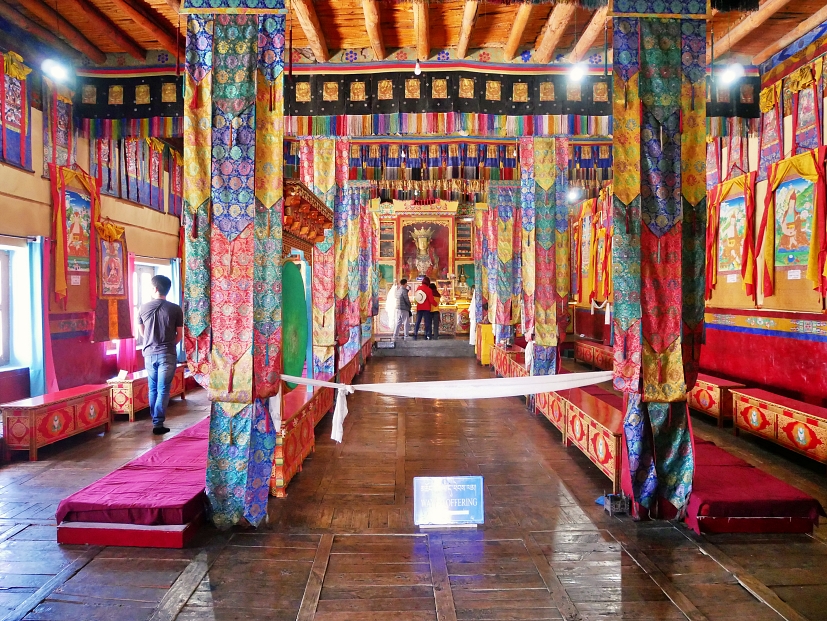
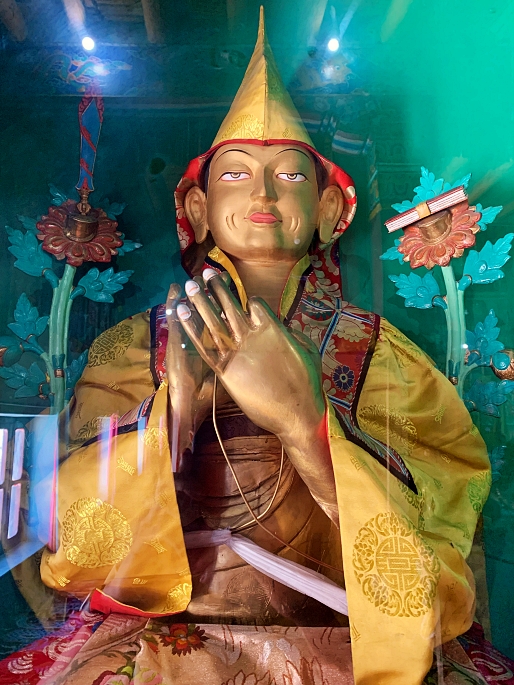
Diskit Monastery (Deskit Gompa) is indeed the oldest and largest Buddhist monastery in Diskit, Nubra Valley, and it follows the Gelugpa (Yellow Hat) sect of Tibetan Buddhism. Founded by Changzem Tserab Zangpo in the 14th century, the monastery is perched on a hill overlooking the plains of the Shayok River. From Diskit Buddha Statue, we could see Diskit Monastery too. Within the monastery, we could find a statue of Cho Rinpoche (Crowned Buddha) in the prayer hall, a sizable drum, and various depictions of fierce guardian deities. Diskit Monastery is open daily from 7 AM to 1 PM and from 2 PM to 7 PM. The admission fee for foreigners is 30 INR per person (0.40 USD).
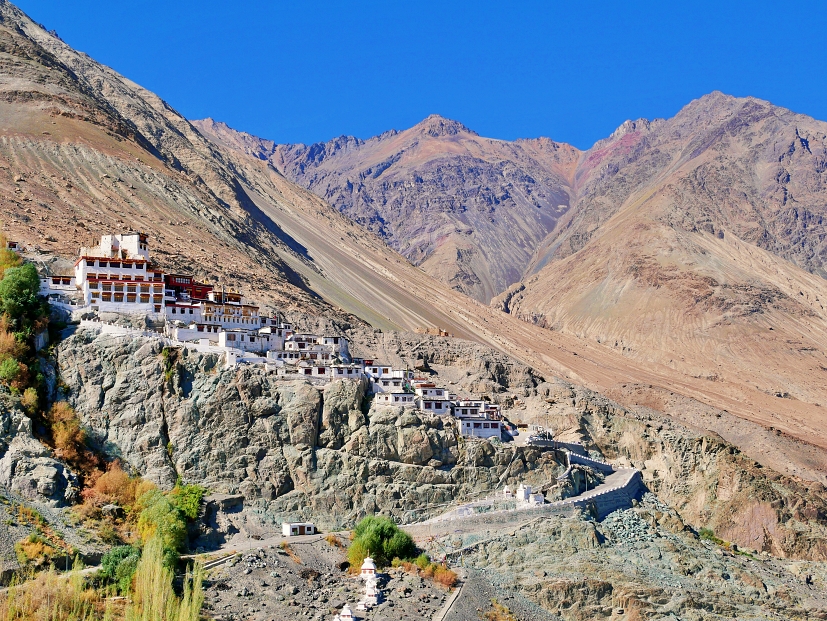
Diskit Monastery View from Diskit Buddha Statue
.
.

.
.
.

.

.
We marveled at the beauty of Diskit Monastery until 11 AM before bidding a fond farewell to the enchanting Nubra Valley and embarking on our journey back to Leh City. By approximately 3 PM, we had returned to Leh and checked in at Hotel Kanika Ladakh, where we were assigned the same room as before. After a brief respite, we dedicated our evening to relaxing and immersing ourselves in the local life at Leh City Center. Then, we went to bed early to regain energy for another exciting mission ahead of us the following day – the exploration of the world’s highest saltwater lake. 🌅
Our two days in Nubra Valley felt like a journey to a different world, a place we had never experienced before. We were delighted to tick off a significant item from our bucket list by visiting this mesmerizing cold desert. Good night… sleep tight, and dream of more adventures to come. 😴🌙✨
::::::::::::::::::::::::::::::::::::::::::::::::::
Written by : Shipy Siwarit Tiasuwattiseth
 Shipy-Ship
One thought on “Leh Trip – Day 3 & 4 : Nubra Valley Route”