After our first day in Leh, dedicated to acclimatization and exploring the city, we eagerly embarked on our second-day road trip to uncover the hidden gems beyond the urban landscape. For this excursion, we wisely enlisted the services of Jimmy Tour Around Leh Ladakh, reachable via WhatsApp at +91 99069 86412. Our designated driver for the entirety of the trip, Mr. Yanjour, expertly guided us to all our planned destinations with professionalism and ensured our safety throughout the journey. We wholeheartedly recommend this company for those seeking reasonably priced taxi services and a friendly, capable driver.
We rose at 7:30AM, ready to start the day refreshed. To fuel up, we enjoyed a local-style breakfast at our hotel, consisting of Ladakhi bread paired with a flavorful omelet and steaming hot tea. Right on schedule, at 9:00AM, Yanjour arrived at our hotel to commence our road trip. Our first destination: Spituk Monastery, conveniently located on the top hill near the airport, about 15 minutes from our hotel.
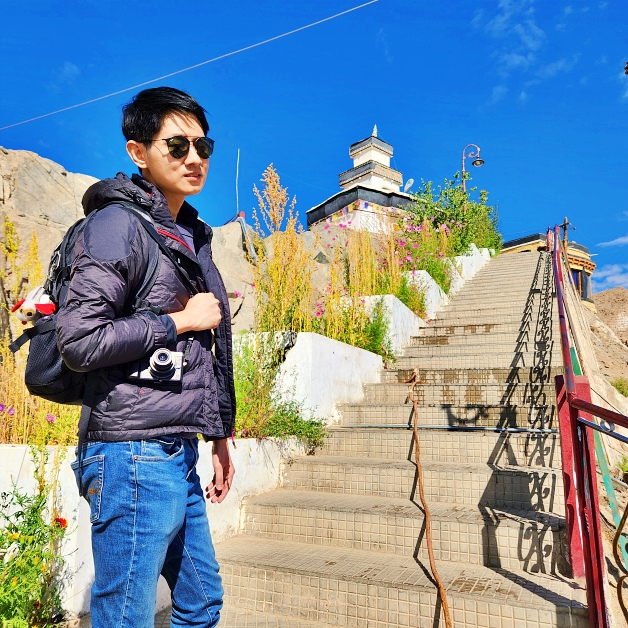
Spituk Monastery, also known as Spituk Gompa, dates back to the 11th century. It was established by Od-de, the elder brother of Lha Lama Changchub Od, upon his arrival in Maryul. The monastery currently houses a community of around 100 monks and boasts a towering statue of Kali, which is unveiled during its annual festival. Situated at an average elevation of 3,307 meters. Spituk Monastery offers a serene sanctuary in the Himalayan landscape. It is open daily between 8AM – 6PM. The admission fee for foreigner was 20 INR/person (about 0.35 USD).

Spituk Monastery from the parking site
.

.

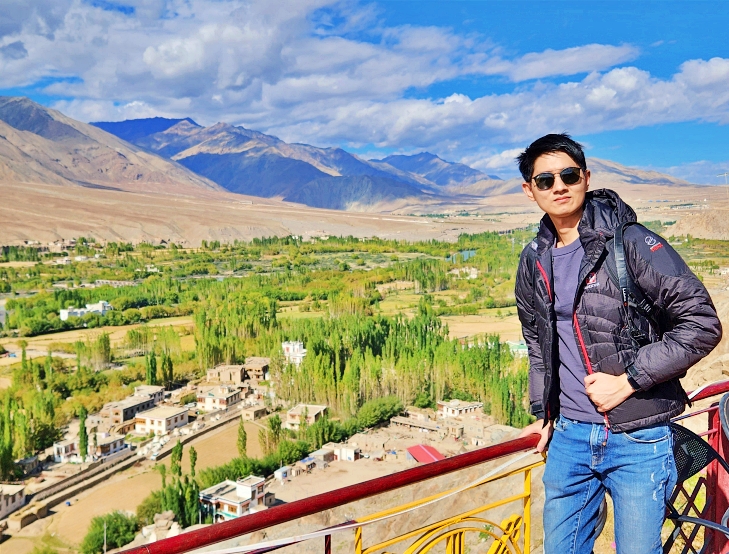
The river view from the balcony of Spituk Monastery
.
.
.
We devoted approximately 30 minutes to exploring Spituk Monastery. At around 10 AM, we returned to our car to proceed with our journey to the next destination, Gurudwara Pathar Sahib. It was about half an hour journey from Spituk Monastery. On the way, we could enjoy the amazing view of the road between cold desert scene. 🚐 We arrived there about 10.30AM.
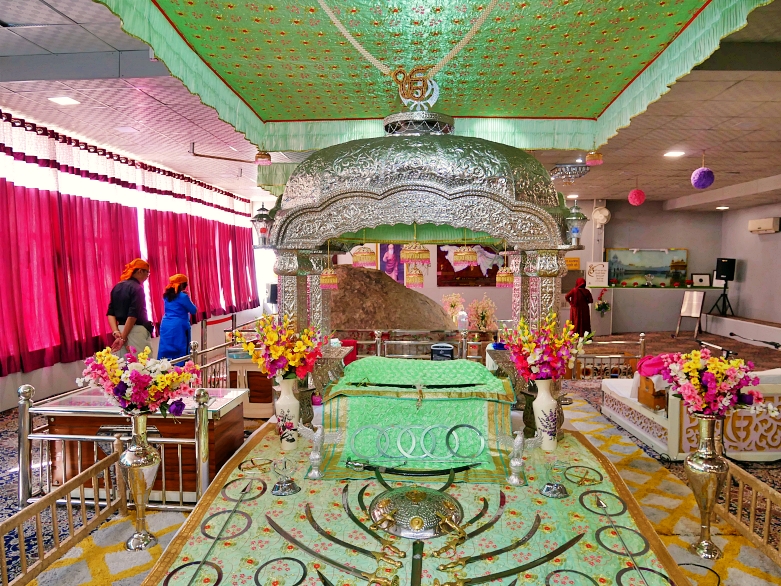
Gurudwara Pathar Sahib is is a famous Sikh temple located in the Ladakh region of India. It holds significant religious and historical importance for the Sikh community. The gurudwara is situated on the Leh-Kargil road. It is known for its unique history and the sacred stone with imprints believed to be those of Guru Nanak Dev Ji, the founder of Sikhism. This temple is a place of spiritual significance for Sikhs and also welcomes visitors of other faiths who come to pay their respects and admire the scenic beauty of the region. It is open daily from 4.30AM to 8.30PM with free admission.

The road to Gurudwara Pathar Sahib
.

.
.

.
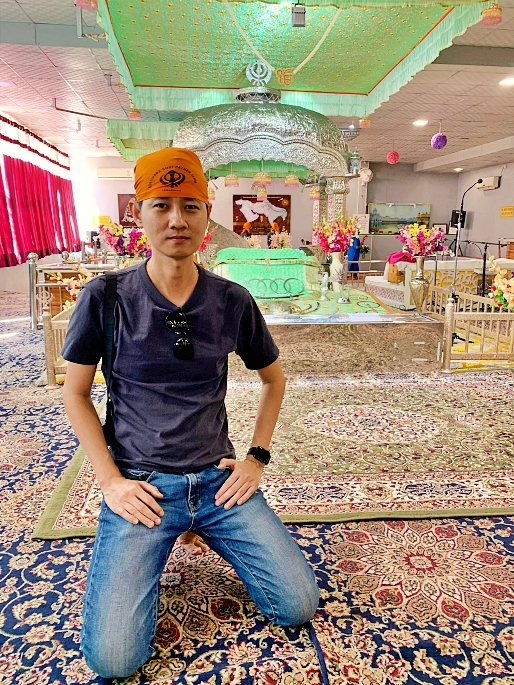
All visitors must wear the head cover according to Sikh Manner. The head cover is for borrow at entrance of the temple with free of charge.
.
We spent 20 minutes immersing ourselves in the Sikh culture at Gurudwara Pathar Sahib. Following this, we headed towards our next destination of the day, Magnetic Hill, which was approximately 40 minutes away.
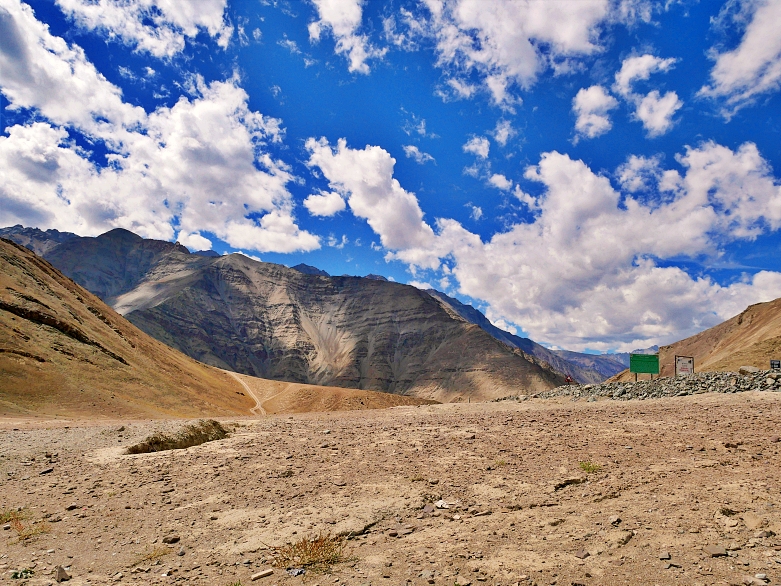
Magnetic Hill is situated along the Leh-Kargil-Srinagar National Highway in the Trans-Himalayan region. To the east of Magnetic Hill flows the Sindhu River, providing a picturesque backdrop for photographers. It is easily recognizable by a prominent yellow signboard reading ‘The Phenomenon That Defies Gravity.’ The sign also instructs visitors to park their vehicles in a marked area on the road. When vehicles are parked as indicated, they appear to move forward at a speed of almost 20 km/h, creating a unique optical illusion.

.

.
.

.

Panoramic View of Magnetic Hill – Leh/Ladakh
.

.
We spent 15 minutes capturing cool and chic photos at Magnetic Hill before proceeding to our next destination, one of the highlights of the Alchi Road Trip, Sangam View Point, where is about 45 minutes from Magnetic Hill.
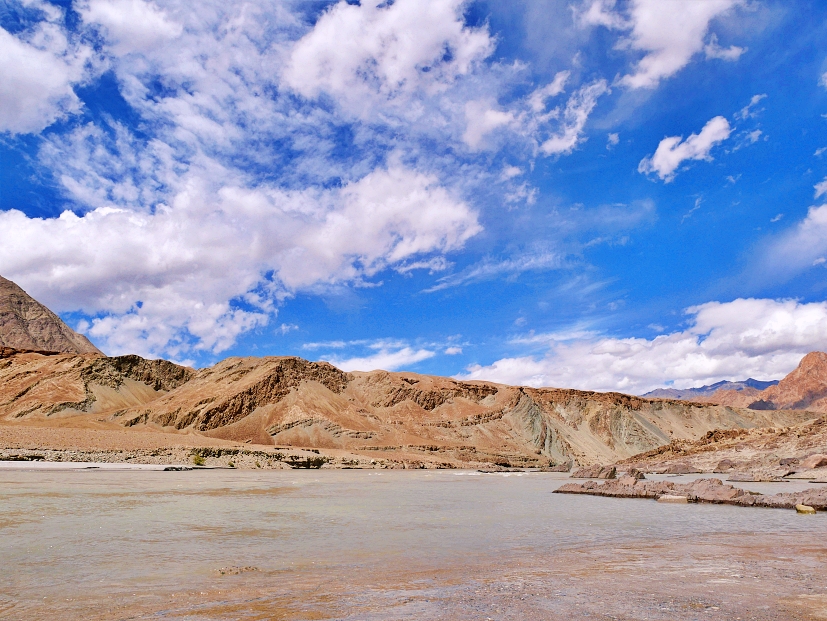
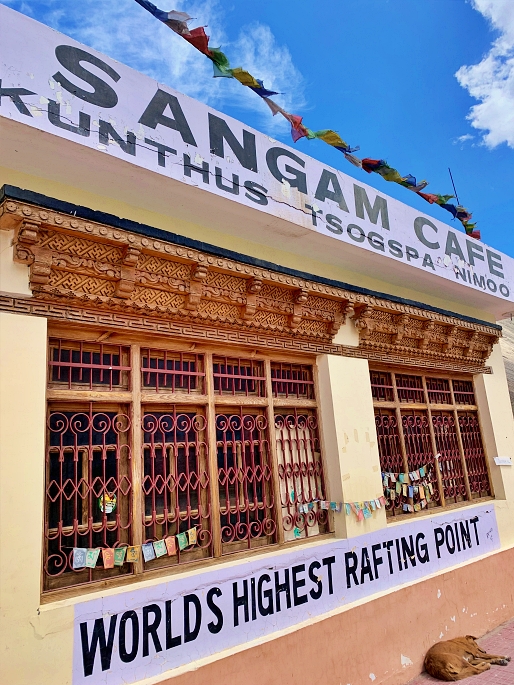
Sangam, nestled in Nimmu along the Leh-Srinagar highway, holds a unique natural spectacle. Here, the mighty Indus (Sindhu) River converges with the pristine blue waters of the Zanskar River, offering visitors a truly breathtaking panorama. The contrasting sight of the muddy Zanskar merging with the azure Indus creates a visual masterpiece. But Sangam is more than just a visual delight; it’s also an adventure hub. In fact, it’s known as the world’s highest river rafting point, attracting thrill-seekers from around the globe who yearn for the exhilarating experience of white-water rafting amidst this awe-inspiring natural backdrop. Yanjour, our driver, advised us to take the photo of Sangam with bird-eyes view on the hill before brought us to the meeting point of the river at the bottom of the hill to see the close-up scene of the rivers. 😀

.

.

.
.

.
.
We were utterly captivated by the Sangam View Point, where the rivers merge in a stunning display of nature’s artistry. The vibrant hues of the rivers blending at one of the world’s highest altitude points left us in awe of this extraordinary creation. We lingered here for almost an hour, soaking in the magnificence before continuing our journey to the Alchi Monastery, just 45 minutes away.
En route, we marveled at the panoramic mountain views, complemented by the sight of bridges spanning rivers that seemed to stretch infinitely. The scene was a testament to the boundless beauty that our planet beholds, a sight that made our travel experience even more memorable.

.

.

On the way to Alchi Monastery
.
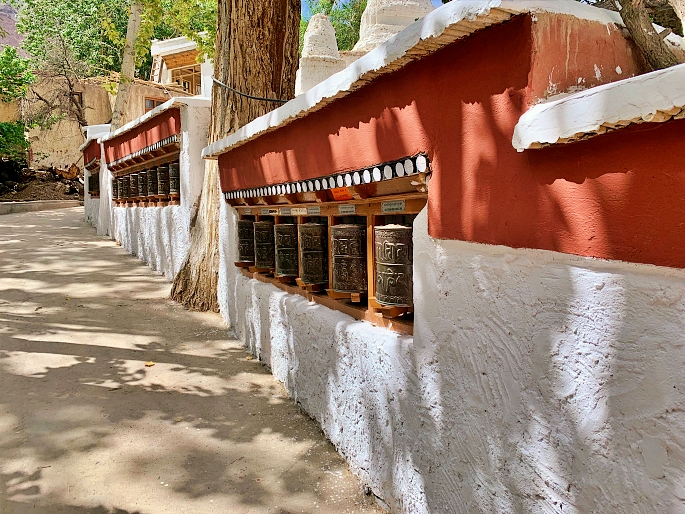
Alchi Monastery, also known as Alchi Gompa, is a Tibetan Buddhist monastery nestled in Alchi village. It was established by the great scholar Rinchen Zangpo, known for translating Sanskrit Buddhist texts into Tibetan during the second diffusion of Buddhism in Tibet, a period spanning from 958 to 1055. This ancient monastery stands as one of the oldest Buddhist learning centers in the Himalayas and is a true treasure of the region.
Notably, Alchi Monastery is celebrated for its exquisite architecture, featuring a Kashmiri-style assembly hall and adorned with wall paintings that intricately depict the history of Ladakh’s ruling kings. Within its hallowed walls, you can discover monuments and scriptures dating back to the 10th century. Other attractions include a magnificent Buddha statue, elaborate wood carvings, and a wealth of charming artwork, all adding to the monastery’s rich historical and cultural significance. Alchi Monastery is open daily 9AM-1PM and 2PM-6PM. The admission fee for foreigner was 100 INR/person (about 1.50 USD). Cellphone, camera and personal belong like backpack are not allowed as the photographing and filming can ruin the wall painting. It has locker room at the entrance of the monastery. We could have photo outside the premises only.
.

.

.

.
Alchi Monastery boasts several fascinating ordination halls adorned with traditional Tibetan-style statues of deities. Our visit to this remarkable site lasted approximately an hour, during which we also explored the serene surroundings of the monastery situated along the banks of the Indus River.
Around 2 PM, we regrouped at the parking area in Alchi Village to rendezvous with Yanjour and enjoy a local Ladakhi meal at one of the nearby restaurants.
Next, we continued our day’s road trip to our final destination, Likir Monastery, which was just 40 minutes away. Interestingly, while en route from Sangam to Alchi, we had actually passed by Likir Monastery. However, we made the deliberate choice to explore further before retracing our steps to visit this intriguing location.
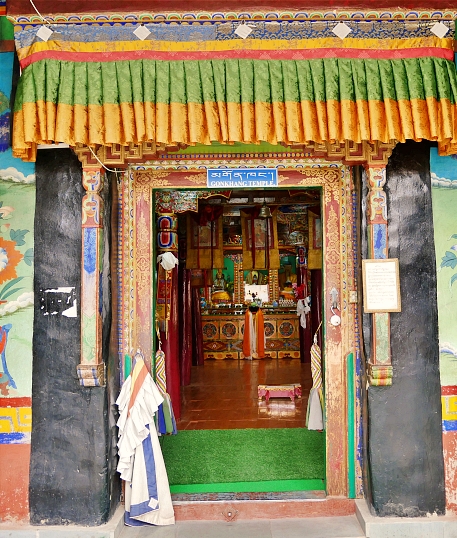
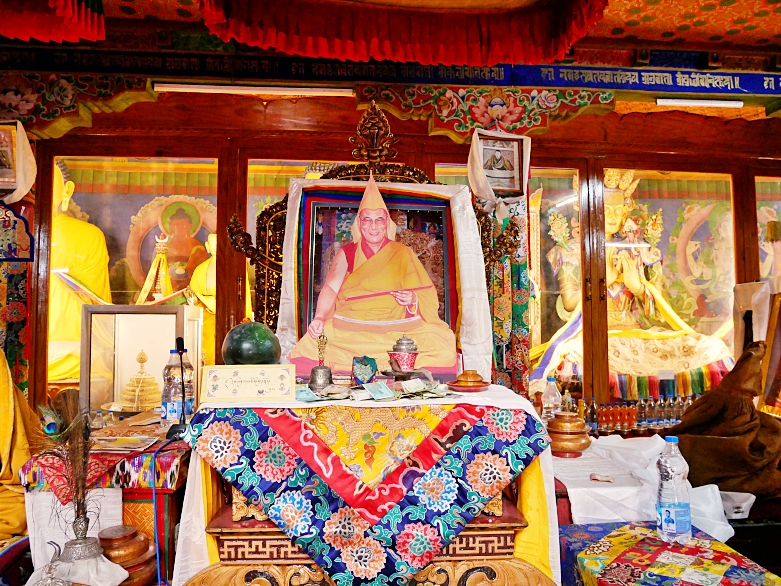
Likir Monastery, also known as Likir Gompa, is a prominent Buddhist monastery nestled at an elevation of 3,700 meters. Its most striking feature is the magnificent 75-foot-high statue of Maitreya Buddha, adorned in gilded gold. The monastery’s origins trace back to its founding by Lama Duwang Chosje in 1065, under the patronage of Lhachen Gyalpo, the fifth king of Ladakh.
Visitors to Likir Monastery are treated to awe-inspiring panoramic views of the surreal landscape and the snowcapped Himalayan mountains. The monastery welcomes visitors daily from 8 AM to 5 PM, with a foreigner admission fee of 50 INR per person (approximately 0.80 USD).

.

.

.
.

.

.
.

.

.
We enjoyed spending approximately 30 minutes exploring Likir Monastery before commencing our return journey to Leh city, which was about an hour away. We reached our hotel at around 5 PM, allowing us some time to rest before embarking on our search for dinner. Our evening meal led us to Chopstick – Noodle Bar, conveniently located not far from our hotel and Leh Market.
This restaurant offered an eclectic menu featuring various Asian noodle styles, including Thai, Chinese, Japanese, and Indian, alongside local dishes. It proved to be a fitting choice, especially after navigating the winding mountainous roads throughout the day, which left us feeling a tad road-weary. The soothing warmth of the noodle soup was a welcome respite.” 😅
Today marked another exciting day as we ventured beyond Leh city to uncover its hidden treasures. Our journey provided insights into the local life of this ‘Little Tibetan Land’ and offered glimpses into Ladakh’s rich culture and historical heritage from the era of dynasties. However, we considered this merely a warm-up, as our upcoming days promised even more exploration in different directions from Leh city.
By 8 PM, we concluded our day’s adventures and decided to retire early, conserving our energy for tomorrow’s discoveries. Good night, sleep tight, and stay tuned for more adventures ahead ! ⚡️⚡️⚡️
::::::::::::::::::::::::::::::::::::::::::::::::::
Written by : Shipy Siwarit Tiasuwattiseth
 Shipy-Ship
2 thoughts on “Leh Trip – Day 2 : The Alchi Road Trip”